
News
Finally, Tinubu speaks on ‘Amotekun

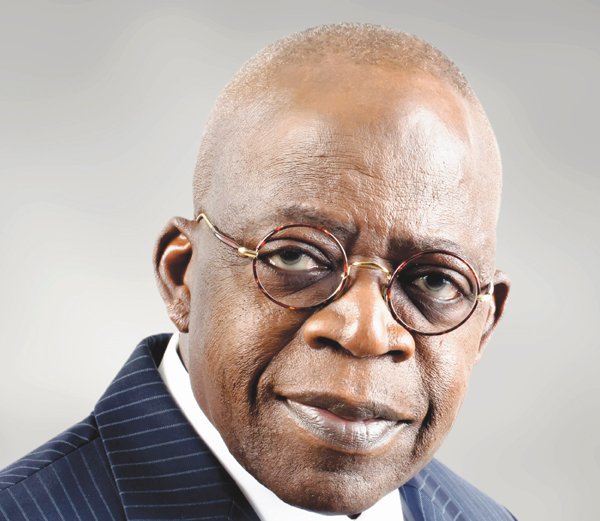
Bola Tinubu, national leader of the All Progressives Congress (APC), has broken his silence on the raging debate on Amotekun, the regional security outfit established by governors of the south-west zone.
He said the foundation of the country had not been put at risk with the south-west regional security outfit launched by the governors of the zone in a bid to confront the insecurity in their states.
He said this in a statement signed by him and issued on Wednesday.
Read the full statement below:
Amotekun: Tinubu Speaks, Calls for Dialogue
*Says Nigeria’s Fabric Not at Risk with SW Security Outfit
All Progressives Congress National Leader, Asiwaju Bola Tinubu, has called for private discussion between the Governors of the South-west and the Attorney-General and Minister of Justice, Mallam Abubakar Malami, over Amotekun.
He said the foundation of the country had not been put at risk with the South-west regional security outfit launched by the governors of the zone in a bit to confront the insecurity in their states.
The former Lagos governor, however, warned that, that fabric could be torn by what he called the “dangerous rhetoric of those who should know better.”
In his first intervention in the controversy surrounding Amotekun, Asiwaju Tinubu said: “Those claiming that this limited, inoffensive addition to security threatens the Republic have taken themselves upon a madcap excursion.
“Those claiming that the Federal Government seeks to terribly suppress the Southwest have also lost their compass. Those who occupy these two extremes have sunken into the dark recesses of fear and political paranoia that can undo a nation if such sentiments are allowed to gestate”.
Titled “The Public Discourse Over Amotekun,” the statement personally signed by him reads: “Amotekun. This issue has dominated recent discourse and media headlines. Distilled to its basics, it concerns how best state governments can assist with the safety and security of their residents. This is a matter of serious concern entitled to sober thought. However, it has been turned into a political tug-of-war. Fierce, often unthinking rhetoric, for and against, has crossed the lips of too many Nigerians. More subjective talking than objective thinking has been the fuel of this outburst.
“Question those in favour of Amotekun. Most have but the vaguest notion about it. They know few details yet vigorously attribute to its opponents the most negative intentions. Ask those who oppose Amotekun. They are equally ignorant of its provisions. They oppose the initiative not on its merits but merely because it was proposed by their political opponents or because they don’t see an avenue for personal gain from it.
“While colourful, the rhetoric has been disconcerting. How people have mishandled this matter demonstrates that we still have far to go in perfecting this democracy. Too much energy has been spent distorting this issue instead of seeking a resolution that supports local enhancement of security while keeping the constitution intact. If this becomes the standard for how we handle disagreements then we will obscure Nigeria’s path forward with our own rubbish.
“In this matter, I do not see malign intent in the differences of opinion between the SW Governors as authors of Amotekun and the Attorney-General as the primary law enforcement officer of the Federal Government. Shorn of the overly dramatic language, what lies before us is but a step in the evolution of our federalism. This is an opportunity to more clearly define that federalism; but one cannot attain this better, more functional definition through overblown, emotional language. Objectivity and calmness are required. To a significant degree, the enduring quality of our republic will be established by the sagacity with which we handle disagreements regarding the division of power between federal and state governments. Such disagreements are inevitable. This is not the first. Nor will it be the last. We must devote our energies more toward solving problems rather than amplifying them.
“Seeking to fulfil their mandates by helping protect their people, the governors of the Southwest collectively established a program to buttress existing security mechanisms. Seeking to protect the constitution as best he could, the Attorney-General offered his opinion on what he believed the governors have sought to do. No one can blame either party for seeking to fulfil what they genuinely see as their public duty.
“Until now, I have deliberately maintained a studied silence regarding Amotekun. Many have tried to goad my swift public reaction. Those who have taken this road did so not because they care about Amotekun or even the people it intends to help protect. They did so knowing this had become a delicate and emotional issue for many. These cynics did so with the adversarial hope that, in haste, I might misspeak or misstep in a manner they could twist to their political advantage.
“Such people are possessed of a mercenary aspect that permits them to sacrifice almost anything, even jeopardize the very foundations of our political unity, if they might exact personal gain from the upheaval. In that they know no nobler purpose than their own appetites, we should feel sorry for them. However, we must not allow our sympathies for their barren condition to persuade us that there is worth in their destructive misconduct. They must be left to the consequences of their own devices.
“If truly I am a political leader as I am often described, then I have not the luxury of hasty, ill-conceived utterances. There are those who will use inflamed words to spark the passions of others. This may bring transient applause. But when the cheers fade, we shall only have further descended because their words were never inclined toward resolution and long-term improvement but toward short-term popularity and perpetual confrontation.
“I believe in this nation and its benign prospects. I dearly love its people, all of them. Over the years of our existence, they have suffered much. Yet they still hold forth with heroic patience and an extraordinary optimism born of strong faith. To these people I owe my best. I shall not treat them cheaply or bandy their emotions like some errant football. The welfare of this good and decent people is my overriding concern.
“Equally, I do not cow to the demands of those who press for me to make a premature statement on an important issue. Again, that is a game devised by those who care more about political cleverness than the quality of governance. I chose to talk when my position has been made ripe by a collection of the facts and a reasonable assessment of those facts.
“As I view it, this matter can be divided in three major parts: 1) Substantive merits of Amotekun, 2) Decision-making and consultative process and 3) Recommendations on the way forward.
AMOTEKUN, GOVERNORS AND SECURITY
“As the highest elected official in his state and thus the individual embodiment of the will of the people, a governor must view safety and security as a foremost priority, integral to his mandate. To turn a blind eye to these concerns would be a grave dereliction. That the SW Governors seek to work together to complement the extant security architecture is, in principle, a commendable undertaking. In embracing this concept, they have acted in consonance with spirit of their offices for the better interests of their people.
“As Governor of Lagos State, I confronted a burgeoning criminal menace. I could not sit idly in the face of the violence and property destruction that struck genuine fear in the hearts of the people. The police tried as best they could; but their coverage was thin. They simply did not have the personnel or material wherewithal to be everywhere at once. We formed Neighbourhood Watch to help fill the gap.
“Our aim was not to replace existing structures but to complement and augment them. The mission of Neighbourhood Watch was to monitor the wards and neighbourhoods of the state. The group would gather information and intelligence to pass to the police and security authorities. The Neighbourhood Watch also provided an early warning system to keep citizens from harm’s way. The idea worked. Crime and violence reduced significantly. Even the overreaching Obasanjo government did not contend against Neighbourhood Watch.
“Judging from the public statements of the governors, Amotekun is meant to be structured along similar lines. As I understand it, Amotekun is to be another set of eyes and ears to assist the police. As such, it is but the second generation of Neighbourhood Watch expanded to a regional scale. Conceptually, there is nothing wrong with this. It does not appear to insult the constitution. However, my position regarding Amotekun is not blind or uncritical; there are several organisational and functional aspects of the proposal that could cause some problems if left unresolved.
“First, the stated mission is information gathering by civilians. Such tasks are always and everywhere best done in low-key fashion. Some aspects of Amotekun seem to undermine rather than enhance this function.
Second, equipping Amotekun with showy paraphernalia may cause the public to misconstrue the role of Amotekun, incorrectly believing its mandate is more expansive than it is. This possible disconnect could impede the good aims of the program.
“We also should consider that the Buhari administration has approved implementation of a policy of community policing wherein additional recruits from all 774 local government areas will be added to the force to help protect their own communities. As the Federal Government emphasizes grassroots policing it is uncertain how well Amotekun can complement the police force as the force moves toward greater decentralisation when Amotekun is organisationally leaning in the opposite way.
“We have been fighting for local and decentralised policing for a long time because we know that too much centralisation impedes performance. In regard to actual performance of its appointed tasks, Amotekun should have focused on grassroots local organisation at the state level without a regional command hierarchy. The regional approach may undermine efficiency. There is no compelling logic why the same personnel providing security & informational assistance in Ado-Ekiti should be under the same functional and operational leadership as those providing assistance in Lekki or Akure. This will not lead to optimal performance.
“The regional approach has only limited benefit with regard to the procurement and maintenance of vehicles and communications equipment because this wider approach allows for economies of scale. The regional approach also helps tackle the growing incidences of interstate criminal activity. Some things need to be corrected before Amotekun becomes operational. If not, it will not live up to expectations. Thus, the current formulation of Amotekun is in need of repair before it takes to the road only to quickly slip into a ditch.
CONSULTATIVE PROCESS BREAKS DOWN
“The governors state that they consulted regularly with the police and security agencies. This was the right thing to do. However, their failure to include the office of the Attorney-General in these discussions is the fount of the current public uproar. This was an unfortunate omission the governors should regret and seek to remedy. However, the conceptual merits and positive functional aspects of Amotekun should not be tainted by this procedural defect.
“While the Attorney-General is a conscientious public servant, he is also human. Not having been consulted, he was suddenly faced with an unexpected public announcement regarding a matter within his official ambit. He likely feared the failure to consult him meant that federal prerogatives were being encroached. To blame him for this conclusion would be to blame human nature itself. Though his negative reaction was understandable it was also unhelpful.
“The Attorney-General acted hastily in rendering a public statement that was more inaccurate than it should have been. Amotekun was never proposed as a “defence” agency; the Attorney-General erred in using this description. The use of uniforms and brightly coloured vehicles may not be the best ideas but they do not render Amotekun a defence agency or paramilitary group any more than a designated school van carrying uniformed students constitutes a paramilitary deployment.
“Believing the governors had crossed the line, the Attorney-General should have reached out to them. Before going public, he should have sought a private meeting so that he could have a better factual understanding of Amotekun. This would have enabled him to give the governors any specific constitutional or other objectives he might have. In this way, the two sides would have engaged in private consultations to reach agreement on the way forward. This cooperative process might have helped to correct some of the organisational lapses above identified. Such a diplomatic and wise step also would have prevented the current public acrimony now surrounding the issue.
RECOMMENDATIONS FOR RESOLUTION
“This matter cannot be resolved on the pages of newspapers or by attributing negative motives to either side. The best way to resolve this is still for the two sides to enter private discussions. Either the governors should seek an official but private meeting with the Attorney-General, or the Attorney-General can initiate the contact. Since Amotekun is their initiative, the governors bear the greater onus in seeking the meeting.
“The meeting will initiate further discussion on how to resolve what appears to be a misunderstanding caused by an unfortunate lack of communication. Remedy the gap in communication and the misunderstanding will begin to disappear.
Last, I again stress to well-intentioned Nigerians to shun those who employ heated language to inflame emotions. It does us no good to rush toward exaggerated statements that suggest calamity of the highest order. Don’t allow yourselves to be fodder for those who seek to divide us.
“The fabric of the Republic has not been put at stake by Amotekun. However, that fabric could be torn by the dangerous rhetoric of those who should know better. Those claiming that this limited, inoffensive addition to security threatens the Republic have taken themselves upon a madcap excursion. Those claiming that the Federal Government seeks to terribly suppress the Southwest have also lost their compass. Those who occupy these two extremes have sunken into the dark recesses of fear and political paranoia that can undo a nation if such sentiments are allowed to gestate.
“We are one nation, 200 million strong with 36 states and a great complex of federal authority residing in dozens of federal ministries and agencies. If everyone is allowed their democratic expression, there are bound to be disagreements. This is inherent in the federal structure. Nations that have practiced federalism much longer than us still frequently debate over where the line between state and federal power is to be drawn. They have hundreds of court cases each year on this very issue. Yet they do not attack each other as we do. We must all learn to be more restrained and judicious in our reactions when such disagreements arise.
“Before leaping from our seats to lift our voice to the high rafters in profound indignation, we first would be wise to properly discern the situation. We must ascertain whether it merely is a tempest in a teapot or whether our house and all its teapots are swirling in a real tempest. Despite the ominous headlines and heated talk, an objective analysis points more clearly to the former than the latter. The resolution of this matter is not beyond us if only we allow ourselves to be the democrats that our better conscience and the very documents of our national existence call us to be.
“In trying to help resolve this matter, I have initiated communication with the Chairman of the South West Governors’ Forum, Arakunrin Rotimi Akeredolu, with a view to meeting the South West governors to explore amicable solutions to the avoidable controversy. I am sure that, at the end of it all, peace, security, and progress shall reign in our nation. Thank you.”
Asiwaju Bola Ahmed Tinubu
National Leader, APC
In line with its commitment to environmental sustainability and responsible business practices, Zenith Bank Plc has commemorated the 2026 World Environment Day with a two-phase environmental clean-up initiative in Lagos State, held under the global theme “Inspired by Nature. For Climate. For Our Future.”
The first phase was a morning clean-up conducted by staff of the Bank on Wednesday, 3 June 2026, along Ajose Adeogun Street, Victoria Island, Lagos. The exercise mobilised employees to clear waste, sensitise residents on proper disposal practices, and reinforce the Bank’s culture of community service and environmental stewardship.
The second phase, on Thursday, 4 June 2026, featured a waterways clean-up at the Falomo Waterways, Ikoyi, Lagos, executed in collaboration with the Lagos Waste Management Authority (LAWMA) and the Lagos State Waterways Authority (LASWA). The joint effort focused on removing marine debris, promoting cleaner waterways, and supporting the State’s broader climate-resilience agenda.
Speaking on the initiative, Dame Dr. Adaora Umeoji, OON, Group Managing Director/CEO of Zenith Bank Plc, said: “At Zenith Bank, sustainability is integral to how we operate. Clearing our streets and our waterways is a practical reminder that protecting the environment is a shared responsibility – and one we are proud to take up alongside LAWMA and LASWA. Through these exercises, we are taking deliberate action to preserve our communities, support climate action, and inspire others to act. Our operations will continue to align with global environmental standards as we build a more sustainable future for Nigeria and Africa.”Zenith Bank remains committed to embedding Environmental, Social and Governance (ESG) principles across its operations, investing in green initiatives, energy efficiency, and community-focused programmes. These efforts advance the United Nations Sustainable Development Goals – particularly SDG 7 (Affordable and Clean Energy), SDG 11 (Sustainable Cities and Communities) and SDG 13 (Climate Action). Sustainability remains an operational imperative across the Bank’s Nigerian base and its broader African, UK and European footprints.
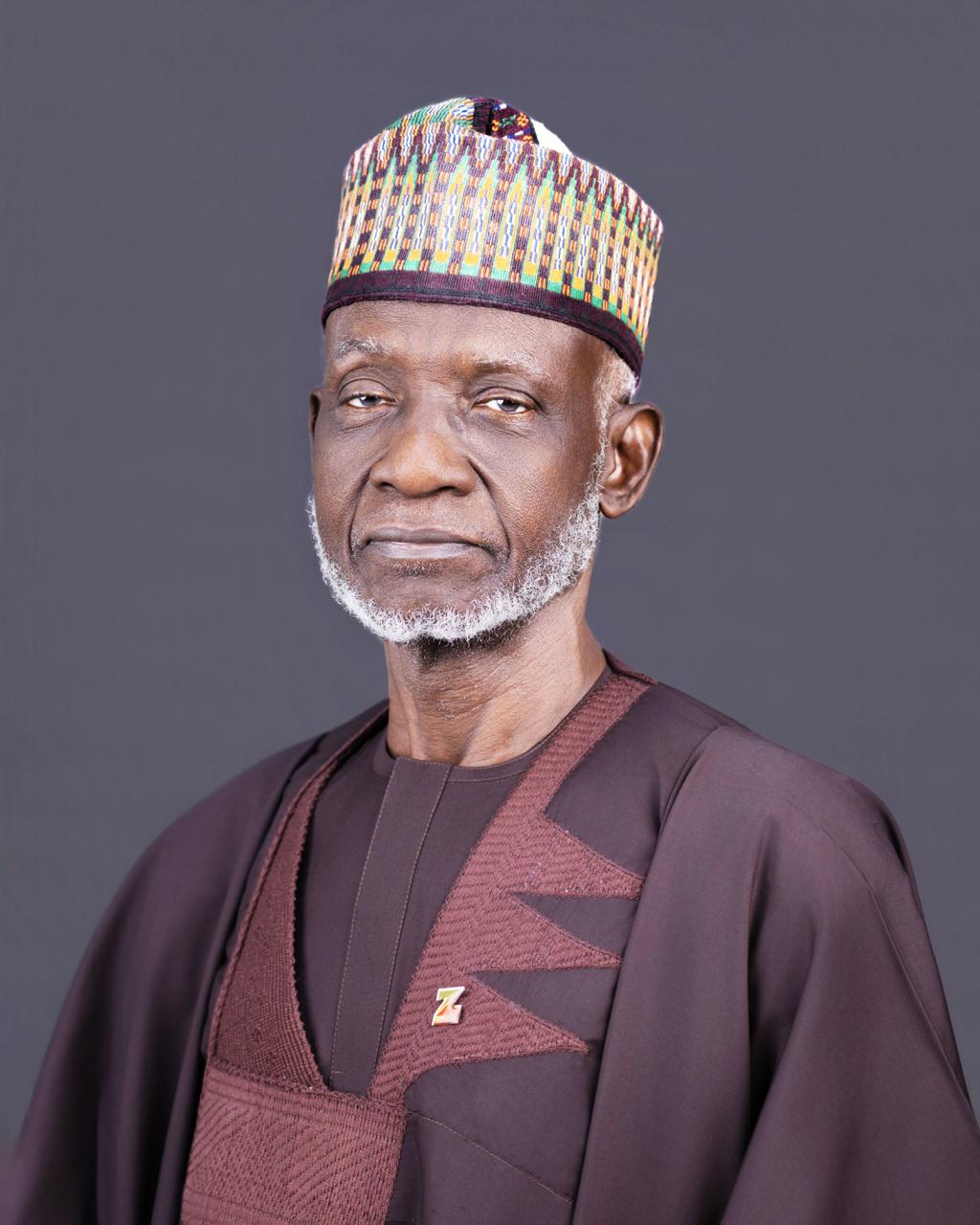
Zenith Bank Plc has announced the appointment of Engr. Mustafa Bello as the Chairman of its Board of Directors. The appointment, which takes immediate effect, has been approved by the Central Bank of Nigeria (CBN) and ratified by shareholders at the Annual General Meeting held on May 5, 2026.
Engr. Bello’s appointment represents a strategic step to ensure the continuity, stability, and sustained effectiveness of the Board, while reinforcing the high standards of corporate governance, regulatory compliance, and strategic oversight for which Zenith Bank is widely respected. He joined the Board of Zenith Bank Plc on 29 December 2017 and has served on several Board committees, including the Board Audit and Compliance Committee, Board Governance, Nomination and Renumeration Committee and as Chairman of the Board Risk Management Committee until his appointment as Chairman of the Board of Directors.
He has extensive leadership experience at Board and executive levels, a strong understanding of corporate governance principles and regulatory expectations, and a proven track record in strategic oversight and organisational growth. He has consistently demonstrated integrity, independence and sound judgement, qualities that distinguished him as the natural choice to lead the Board into its next chapter.
Engr. Mustafa Bello is a distinguished engineer, statesman and corporate leader. His career spans more than four decades across the public and private sectors of the Nigerian economy. He served as Minister of Commerce of the Federal Republic of Nigeria from 1999 to 2002 under President Olusegun Obasanjo, GCFR, where he led the development of Nigeria’s WTO-consistent Trade Policy. He also oversaw the Corporate Affairs Commission (CAC) online project of 2002, which modernised the way businesses register and operate in the country. From November 2003 to February 2014, he served as Executive Secretary and Chief Executive Officer of the Nigerian Investments Promotion Commission (NIPC), where he was instrumental in attracting foreign direct investment into Nigeria, building multilateral and bilateral partnerships, and representing the Federal Government at international conferences and missions.
He graduated from Ahmadu Bello University (ABU), Zaria, in 1978 with a B.Engr. in Civil Engineering (Second Class Upper Division), winning the Shell Prize for the best project and thesis in the Faculty of Engineering. He began his career with the Nigerian Army’s Directorate of Quartering and Engineering Service from 1978 to 1979, before joining the Niger State Housing Corporation as a Senior Civil Engineer from 1980 to 1983.
He is currently the Chairman of Invest-in-Northern Nigeria Limited, a special purpose vehicle for the economic and social transformation of the Northern Nigerian economy, and has previously served on the boards of Eskom Holdings Limited of the Republic of South Africa (2004 to 2008) and FrieslandCampina WAMCO Nigeria Plc as an Independent Non-Executive Director. He is a Fellow of the Nigerian Society of Engineers and a Registered Member of Council for the Regulation of Engineering in Nigeria (COREN) as well as Fellow of the Academy of Natural Sciences & Engineering in Nigeria (ANSEN).Zenith Bank stands among Africa’s leading financial institutions, with a strong capital base and operations across Nigeria, the United Kingdom, the United Arab Emirates, Ghana, Sierra Leone, The Gambia and Côte d’Ivoire.
News
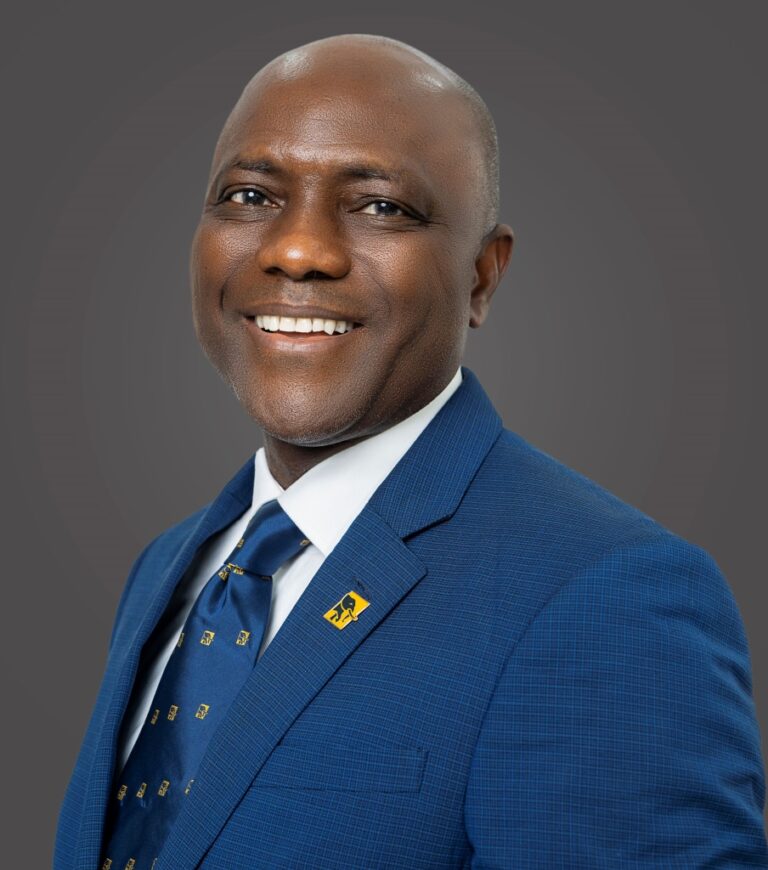
FirstBank Confirms Appointment of Olayinka Ijabiyi as Group Head, Marketing and Corporate Communications
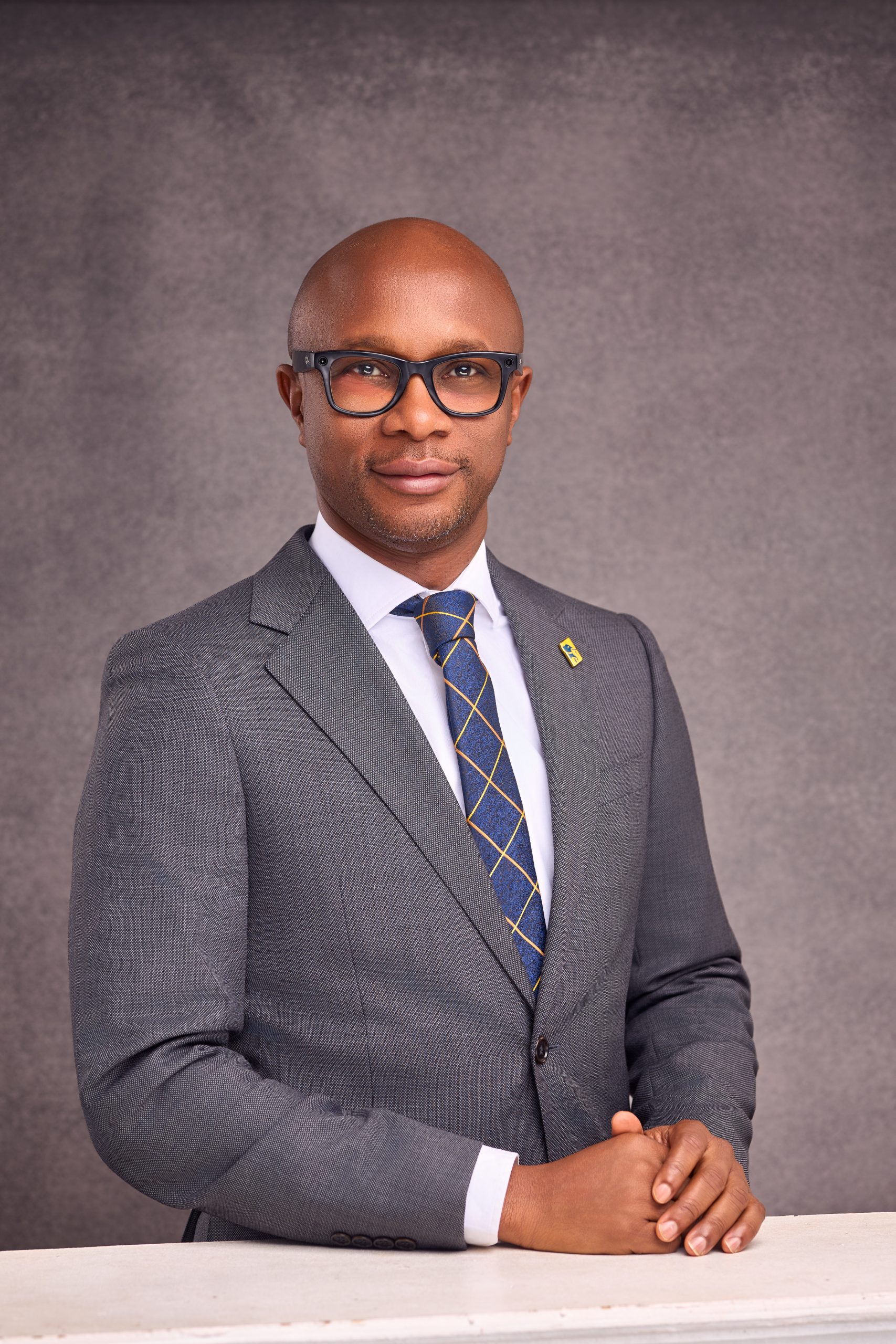
FirstBank, West Africa’s premier financial institution and financial inclusion service provider, has confirmed the appointment of Olayinka Ijabiyi as the substantive Group Head, Marketing and Corporate Communications. The appointment takes immediate effect and reinforces strong corporate governance at a pivotal point in the Bank’s growth and transformation journey.
Olayinka Thomas Ijabiyi is a seasoned marketing and corporate communications professional with over 25 years of experience driving brand transformation, strategic visibility, and stakeholder engagement across financial services, telecommunications, media, and international development sectors.
Ijabiyi joined FirstBank in 2011 and has served in acting capacity as the Group Head of Marketing and Corporate Communications from December 2024 until his recent confirmation. In his role, he leads the development and execution of integrated marketing and corporate communications strategies across the Group’s markets. He oversees brand and reputation management, executive positioning, Corporate Responsibility and Sustainability as well as strategic communications initiatives aligned to the Bank’s business objectives/aspirations.
Prior to his current role, Ijabiyi has held leadership positions within the Marketing and Corporate Communications Department in FirstBank, including Head Brand Strategy and Special Projects, Head Digital Marketing and Head Brand and Stakeholder Management.
Before joining FirstBank, Ijabiyi built a diverse career across leading organizations including British Council, Multichoice, MTN and Etisalat Nigeria, where he played key roles in brand building, corporate communications and digital transformation initiatives.
Widely recognized for his strategic mindset, leadership ability to translate business objectives into impactful marketing and communications strategies, he has successfully led major brand initiatives, including milestone anniversary campaigns and brand refresh programs, while consistently delivering efficiencies and enhancing brand equity.
Ijabiyi holds a Master’s degree in Public and International Affairs from the University of Lagos and a Bachelor’s degree in English Language from the former Ondo State University, Ado Ekiti. He is a Fellow of the National Institute of Marketing of Nigeria (NIMN) and a member of the Nigerian Institute of Public Relations (NIPR), amongst other industry bodies.
-
 Politics2 years ago
BREAKING: Abiodun emerges chairman of Southern Governors Forum
-
 Business1 year ago
ZENITH BANK ASSURES SHAREHOLDERS OF QUANTUM LEAP IN FUTURE DIVIDENDS AT 34TH AGM, PAYS N195.67 BILLION FOR 2024 FINANCIAL YEAR
-
News2 years ago
Zenith Bank Enhances Customer Online Experience with Revamped Digital Channels
-
 News2 years ago
‘No Disparity,’ NUPRC Confirmed 1.8m bopd NNPC Ltd Oil Production Figures At NAPE Conference’
-
 News1 year ago
FirstBank holds groundbreaking ceremony for new 40-storey eco-friendly HQs in Lagos
-
 News1 year ago
FIRSTBANK FILES APPEAL
-
Business1 year ago
ZENITH BANK ACHIEVES DOUBLE-DIGIT GROWTH IN GROSS EARNINGS, PROPOSES N4.00 FINAL DIVIDEND IN FULL YEAR 2024
-
 News2 years ago
US indicts Air Peace CEO, Onyema, in fresh charges